Pelvic health may not be on your New Year’s resolution list — it might not be something you even think about. But now is a great time to learn more about your pelvic floor, a group of muscles that play a crucial role in bladder and bowel control, posture, and sexual health.
If you leak small amounts of urine when you cough or laugh or if you have ongoing pelvic pain, make better pelvic health a priority this year. Small, intentional habits can make a big difference over time.
In this blog, our team at Obstetricians & Gynecologists, PC, shares realistic and achievable resolutions that can support and protect your pelvic health.
Get to know your pelvic floor
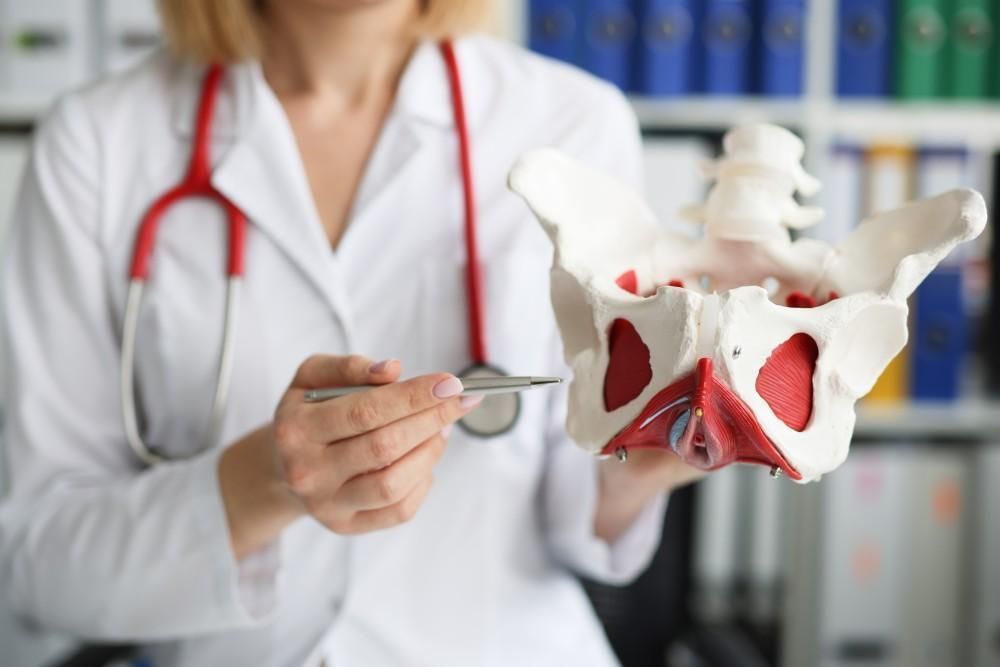
To better care for your pelvic health, it helps to understand how it works. Your pelvic area is the lower part of your abdomen and includes your reproductive organs, bladder, and lower intestine.
The pelvic floor is a group of muscles that sits like a hammock below these organs, stretching from the pubic bone to the tail bone. These muscles hold your organs in place and help control bowel and bladder function.
Due to aging, pregnancy, and childbirth, women are more likely to experience changes with pelvic floor muscles. Over time, these muscles may stretch or weaken, making it harder to hold organs in place or control urine or stool.
Conditions such as pelvic organ prolapse and stress incontinence are commonly linked to pelvic floor weakness.
Don’t ignore symptoms
Pelvic pain, pressure, or leaking urine aren’t normal or signs of aging. If you notice ongoing or worsening symptoms, don’t ignore them.
Common conditions affecting the pelvic area include:
Getting a diagnosis from our team and developing a treatment plan can help ease your symptoms so it doesn’t affect your quality of life.
Work on pelvic floor strength
A strong core supports your posture, back, and pelvic organs. Exercises that target the pelvic floor and core can help improve strength and stability, such as:
- Kegels
- Planks
- Crunches
- Glute bridge
- Squats
Pilates and yoga are great options for building pelvic floor strength. Also, remember to always be careful when lifting heavy objects — you want to lift with your legs, not your back, to avoid unnecessary strain on your pelvic muscles.
Build better bowel and bladder habits
When you’ve got to go, you’ve got to go, but with consistency, you can train your bladder and bowels to work on a more predictable schedule.
Healthy bowel and bladder habits can help strengthen the muscles involved in control, reduce urgency, and manage incontinence. Developing these habits may also prevent accidents and give you greater confidence in daily life.
Schedule a pelvic health check
If you have concerns about pelvic health, you’re experiencing symptoms, or you simply want to stay on top of things, make a pelvic health check part of your New Year’s resolutions. Now is a great time to schedule your annual well-woman exam so you can get a head start on your health goals.
At Obstetricians & Gynecologists, PC, we provide comprehensive women’s health care and can offer the guidance and support you need to maintain or improve pelvic health. Call us today in Hastings or Grand Island, Nebraska, or request an appointment online.