Understanding Focus, Productivity, and Mental Wellness in Hastings & Grand Island, NE
Have you ever been so focused on something that time seemed to disappear? That feeling is known as being in a
“flow state”—a mental state where you are fully immersed, engaged, and performing at your best.
For women in
Hastings and Grand Island, Nebraska, understanding flow can be a powerful tool for improving
mental health, reducing stress, and increasing productivity in both personal and professional life.
At
OBGYN Nebraska, we recognize that mental wellness plays a critical role in overall health, and learning how to achieve balance—including moments of flow—can support emotional well-being.
What Is a Flow State?
A flow state is a condition of deep concentration where you become fully absorbed in an activity. During this time, distractions fade away, and your mind and body work in sync.
Flow is often associated with:
- Increased focus
- Reduced stress
- Higher productivity
- Improved emotional well-being
Signs You’re in a Flow State
Recognizing when you’re in flow can help you intentionally create more of these moments in your daily life.
1. You Lose Track of Time
One of the most common signs of flow is
time distortion. Hours may feel like minutes because you’re so engaged in what you’re doing.
This often happens when you’re working on something you truly enjoy or find meaningful.
2. You’re Not Focused on Yourself
In a flow state, your attention shifts away from self-conscious thoughts.
You’re not worrying about:
- How you look
- What others think
- Your comfort level
Instead, your awareness is fully connected to the task at hand.
3. Your Mind Is Free from Distractions
When you’re in flow, your brain isn’t cluttered with everyday worries like errands, schedules, or responsibilities.
This mental clarity can be especially beneficial for women managing busy lives in
Hastings and Grand Island.
4. You’re Fully Engaged and Active
Flow requires participation. Whether it’s working, exercising, cooking, or engaging in a hobby, you are actively involved—not passively observing.
5. Things Feel Effortless—Even When They’re Not
Interestingly, flow often occurs during challenging tasks. While you may be working hard, it
feels natural and smooth, as if everything is “clicking.”
This balance between challenge and skill is what creates the flow experience.
Why Flow Matters for Mental Health
Experiencing flow regularly can have a positive impact on your mental and emotional health.
Benefits include:
- Reduced stress and anxiety
- Improved mood
- Increased confidence
- Better focus and productivity
- A greater sense of purpose
For women navigating work, family, and health responsibilities, these benefits can significantly improve overall well-being.
How to Create More Flow in Your Daily Life
If you want to experience more flow, try incorporating these simple strategies:
Choose Activities You Enjoy
Flow is more likely when you’re doing something meaningful or enjoyable.
Minimize Distractions
Create a quiet environment and limit interruptions when possible.
Set Clear Goals
Knowing what you want to accomplish helps your brain stay focused.
Challenge Yourself
Pick tasks that are slightly outside your comfort zone—but still achievable.
Stay Present
Practicing mindfulness can help you stay engaged in the moment.
Flow and Women’s Wellness in Hastings & Grand Island
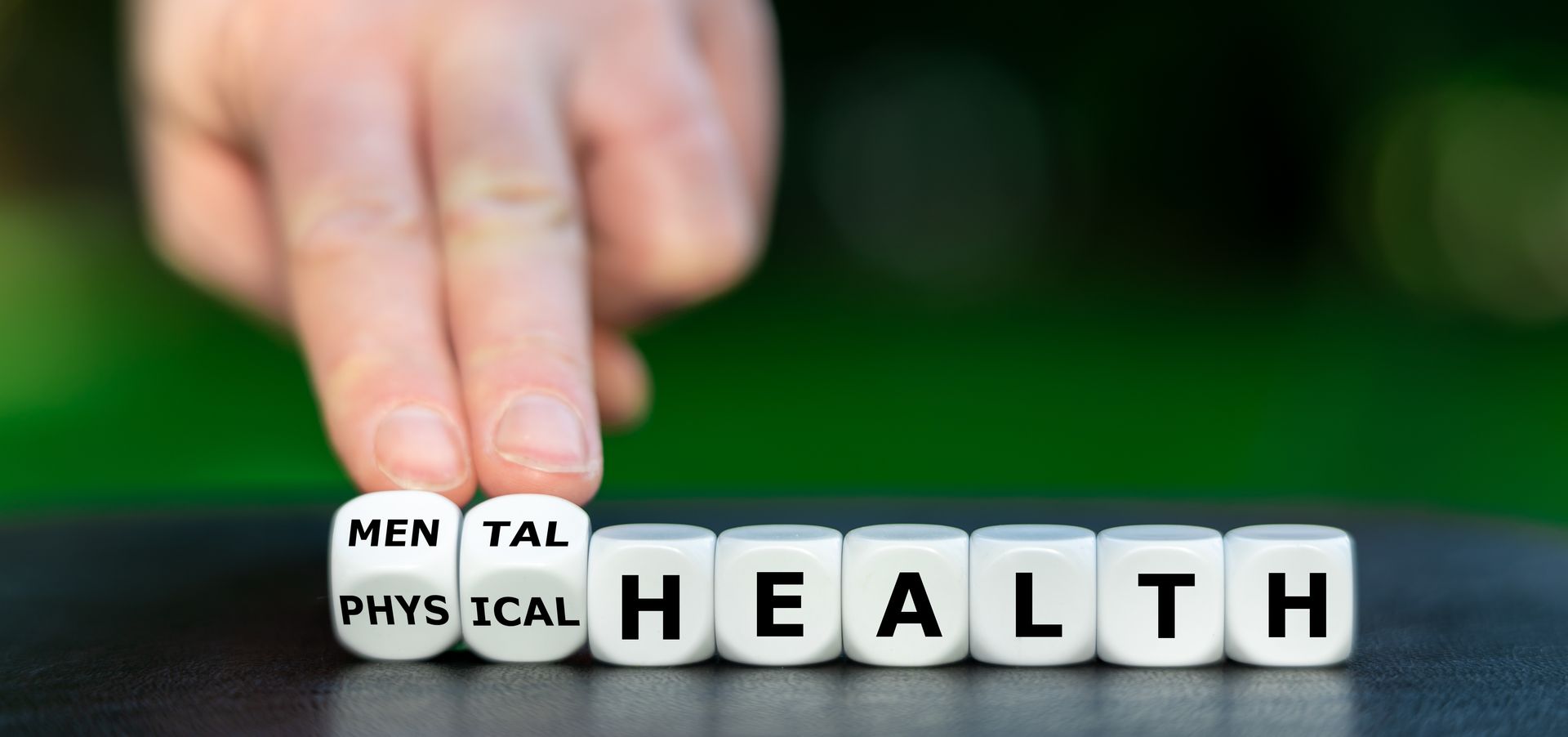
Mental wellness is an essential part of overall health. Whether you’re managing stress, navigating hormonal changes, or balancing a busy lifestyle, finding moments of focus and clarity can make a meaningful difference.
At
OBGYN Nebraska serving Hastings and Grand Island, we support a whole-person approach to care—recognizing that mental, emotional, and physical health are deeply connected.
Final Thoughts
Flow isn’t just about productivity—it’s about feeling fully engaged and connected to what you’re doing.
By recognizing the signs of flow and creating opportunities for it in your daily life, you can improve your mental clarity, reduce stress, and enhance your overall well-being.
FAQs About Flow State