Recognizing Symptoms and Finding Support in Hastings & Grand Island, NE
Childbirth is often described as one of the most meaningful experiences in a woman’s life—but for some, it can also be traumatic.
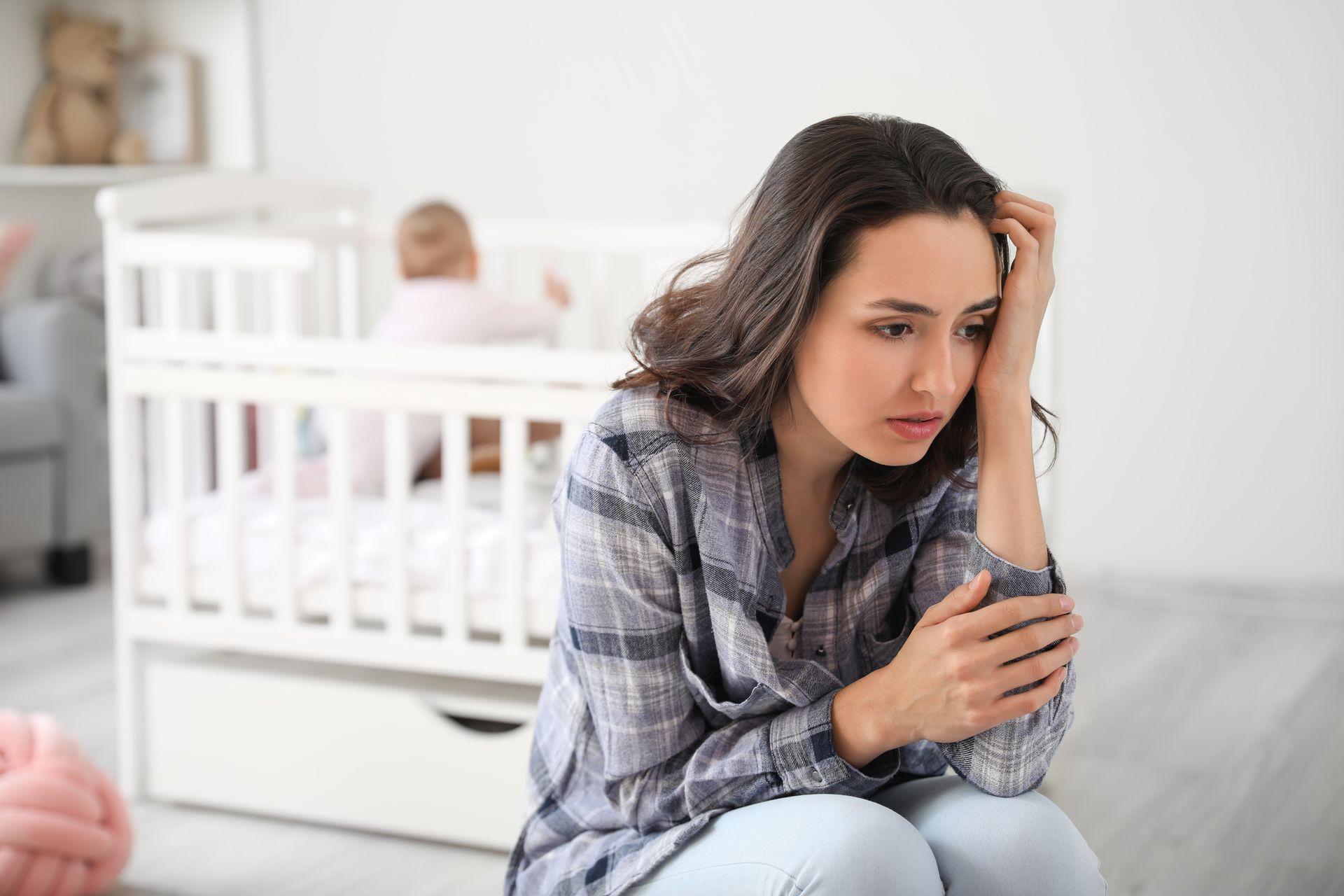
Postpartum Post-Traumatic Stress Disorder (PTSD) is a real and often overlooked condition that affects approximately 9% of women after delivery.
For women in
Hastings and Grand Island, Nebraska, understanding the signs of postpartum PTSD is essential to getting the care and support needed for recovery.
At
OBGYN Nebraska, we believe that postpartum care should include both physical and emotional healing. Recognizing when something isn’t right is the first step toward feeling like yourself again.
What Is Postpartum PTSD?
Postpartum PTSD is a mental health condition that can develop after experiencing a traumatic childbirth or postpartum event. This trauma may be physical, emotional, or psychological—and sometimes a combination of all three.
Importantly, trauma is not always about what medically happened, but how the experience felt to the mother.
Common Causes of Postpartum PTSD
Postpartum PTSD is often linked to
real or perceived trauma during delivery or shortly after childbirth.
Some common causes include:
- Prolapsed umbilical cord
- Unplanned C-section
- Use of forceps or vacuum-assisted delivery
- Baby being admitted to the NICU
- Feeling powerless or unheard during labor
- Poor communication or lack of support from the care team
Women who have experienced previous trauma—such as sexual assault or abuse—may also be at a higher risk.
Additionally, serious medical complications can increase the likelihood of PTSD, including:
- Severe postpartum hemorrhage
- Emergency hysterectomy
- Severe preeclampsia or eclampsia
- Third- or fourth-degree perineal tears
- Cardiac complications during pregnancy or delivery
Symptoms of Postpartum PTSD
Symptoms can vary from person to person, but many women experience intense emotional and physical responses tied to their birth experience.
1. Intrusive Thoughts or Re-Experiencing the Trauma
You may find yourself reliving the birth experience through unwanted thoughts, flashbacks, or nightmares.
2. Flashbacks and Nightmares
These can feel vivid and real, often bringing back the fear or distress experienced during delivery.
3. Avoidance Behaviors
You might avoid anything that reminds you of the event, including:
- Conversations about childbirth
- Medical appointments
- People or places connected to the experience
4. Increased Anxiety and Hypervigilance
This can include:
- Feeling constantly on edge
- Difficulty sleeping
- Irritability
- Being easily startled
5. Panic Attacks and Emotional Distress
Sudden feelings of fear, racing heart, or overwhelming anxiety may occur without warning.
6. Feelings of Detachment or Unreality
Some women report feeling disconnected from themselves, their baby, or their surroundings.
Why Postpartum Mental Health Matters
Postpartum PTSD can impact not only a mother’s emotional well-being but also:
- Bonding with the baby
- Sleep and physical recovery
- Relationships with family members
- Overall quality of life
For women in
Hastings and Grand Island, access to compassionate, comprehensive postpartum care is essential for healing both physically and emotionally.
When to Seek Help in Hastings or Grand Island, NE
If you are experiencing symptoms of postpartum PTSD, it’s important to seek help as soon as possible.
You should consider reaching out if:
- Symptoms persist for more than a few weeks
- You feel overwhelmed or unable to cope
- Your daily life or ability to care for your baby is affected
Postpartum PTSD is
temporary and treatable with professional care. You are not alone—and it is not your fault.
How OBGYN Nebraska Supports Postpartum Mental Health
At
OBGYN Nebraska serving Hastings and Grand Island, care goes beyond delivery. Our team understands that every woman’s postpartum journey is different.
We can help:
- Identify symptoms early
- Provide guidance and support
- Connect you with mental health resources
- Ensure you feel heard and supported throughout your recovery
Steps You Can Take Right Now
If you’re struggling, small steps can help you begin healing:
- Talk to a trusted healthcare provider
- Share your experience with a loved one
- Practice gentle self-care (rest, hydration, nutrition)
- Seek professional counseling or therapy
- Join a support group for new mothers
Final Thoughts
Postpartum PTSD is more common than many realize—and it deserves attention, understanding, and care.
If you’re in
Hastings or Grand Island, Nebraska, know that help is available. Healing is possible, and you deserve to feel safe, supported, and empowered in your postpartum journey.
FAQs About Postpartum PTSD