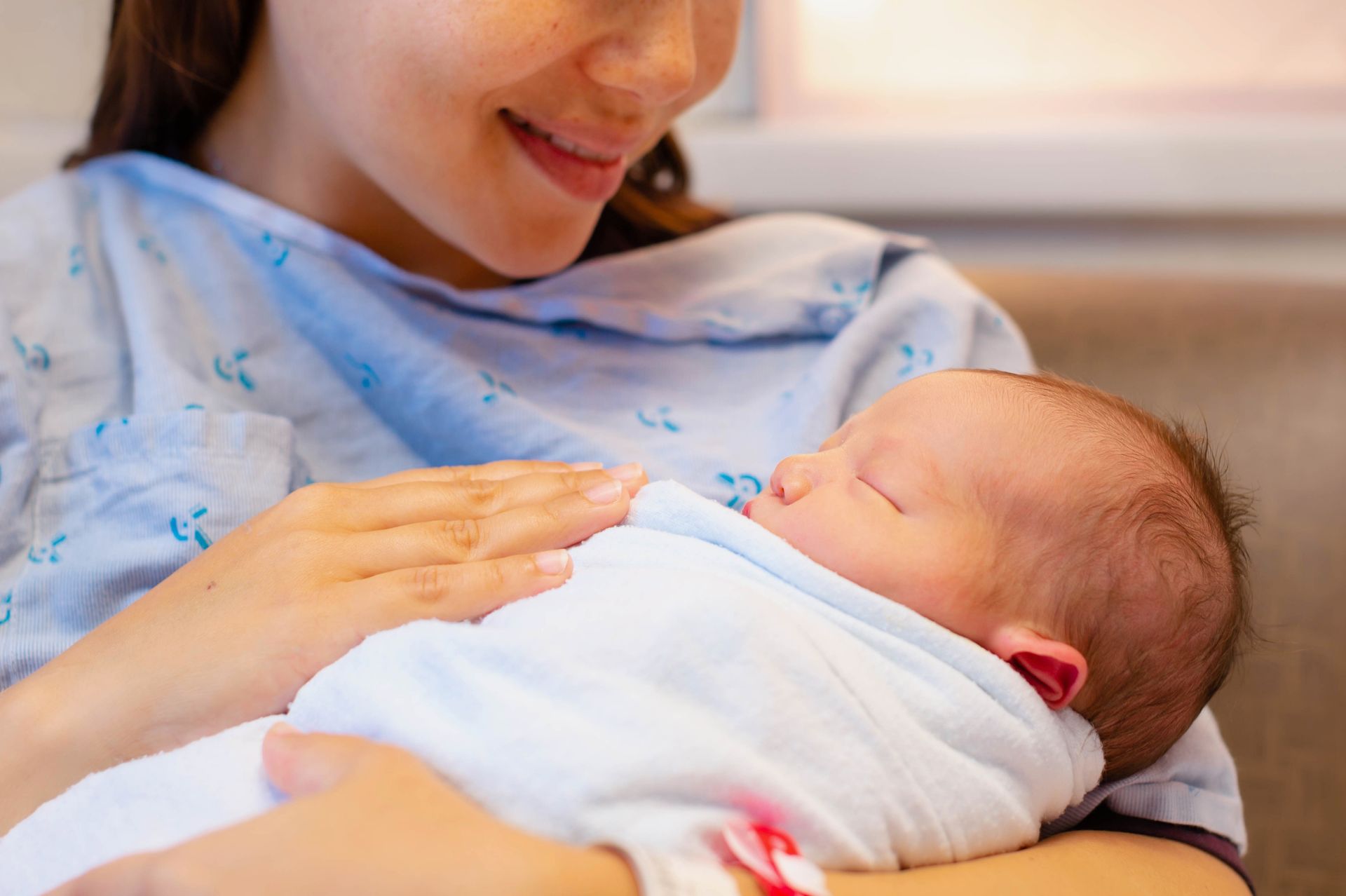
Your back feels better, your reflux is gone, and you can see your feet again. Giving birth relieves many uncomfortable symptoms that come with pregnancy. While you may feel more like your pre-pregnancy self, postpartum brings on its own set of symptoms.
You may expect uterine cramping as it shrinks and fullness in the breasts when breast milk comes in, but lesser known postpartum symptoms like night sweats may come as a surprise.
Our team of women’s health experts at Obstetricians & Gynecologists, PC, in Hastings and Grand Island, Nebraska, specializes in pregnancy and postpartum care. Many women are surprised about some of the symptoms they experience after giving birth. Here, we address night sweats after childbirth and why you might have them.
Postpartum night sweats
Night sweats are often linked to menopause, so you may worry if you wake up drenched after giving birth. But experiencing night sweats after childbirth is one of many possible postpartum symptoms.
Hormone levels are highest during pregnancy and then drop drastically right after delivery. The sudden change in hormones is the underlying cause of your night sweats.
Though researchers are still trying to understand why, they theorize that the sudden drop in estrogen after having a baby triggers the part of the brain that regulates body temperature. Your brain tells your body you're too hot, causing you to sweat so you can cool off. Postpartum sweating may occur anytime, but it usually happens at night.
The nighttime sweating may also help rid the body of extra fluid. During pregnancy, blood volume doubles in order to supply the baby with oxygen and nutrients. Your body may try to sweat out the extra fluids after delivery.
Staying cool while sleeping
Not everyone has night sweats after childbirth, but it’s also not something you can control or prevent. Night sweats can disrupt your sleep, which is already limited due to the needs of your newborn.
Making yourself as comfortable as possible while sleeping may help reduce the sweating so you get more rest. We recommend wearing summertime pajamas to minimize body heat and sleeping on towels to absorb the sweat. Using fans, opening the window, and adjusting the heat or air conditioning can also help you stay cool.
Night time sweating means you’re losing water, so be sure to rehydrate by drinking plenty of fluids throughout the day, and keep a glass of water by your bedside to drink at night.
When to call your OB/GYN
You may find postpartum night sweats frustrating, especially when it affects your sleep. But the symptom is temporary and disappears within a few weeks after delivery.
If your night sweats are bothersome and make it hard for you to care for yourself or your baby, or they last longer than a few weeks, schedule an appointment with your OB/GYN. Night sweats are also a sign of other health conditions like hypothyroidism and diabetes. Confirming or ruling out the underlying cause ensures you get the right treatment.
Night sweats aren’t limited to menopause — you may also wake up drenched in sweat after having a baby. If you have concerns about your postpartum night sweats or you don’t feel like yourself after giving birth, we can help. Contact Obstetricians & Gynecologists, PC, by calling the location near you or requesting an appointment online.